









UK & Scottish Prime Property Market – March 2026
There is no getting away from it: 2025 was a difficult year across every property market we cover. Prolonged political uncertainty and the Government’s rudderless approach and endless speculation in the lead into the Chancellor’s Autumn budget created inertia, with many buyers and sellers choosing to wait rather than act.
Whilst the budget failed to inspire wider economic optimism, for the prime property sector it proved less punitive than many had feared. As we move through the early months of 2026, and with greater clarity around income and property taxation, sentiment has begun to stabilise. The first weeks of the year have shown an improvement in mood compared with the subdued starts of the previous two years.
Country Estates
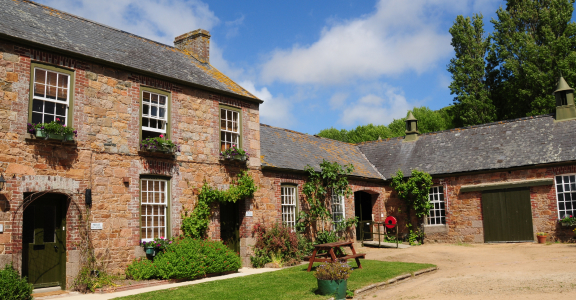
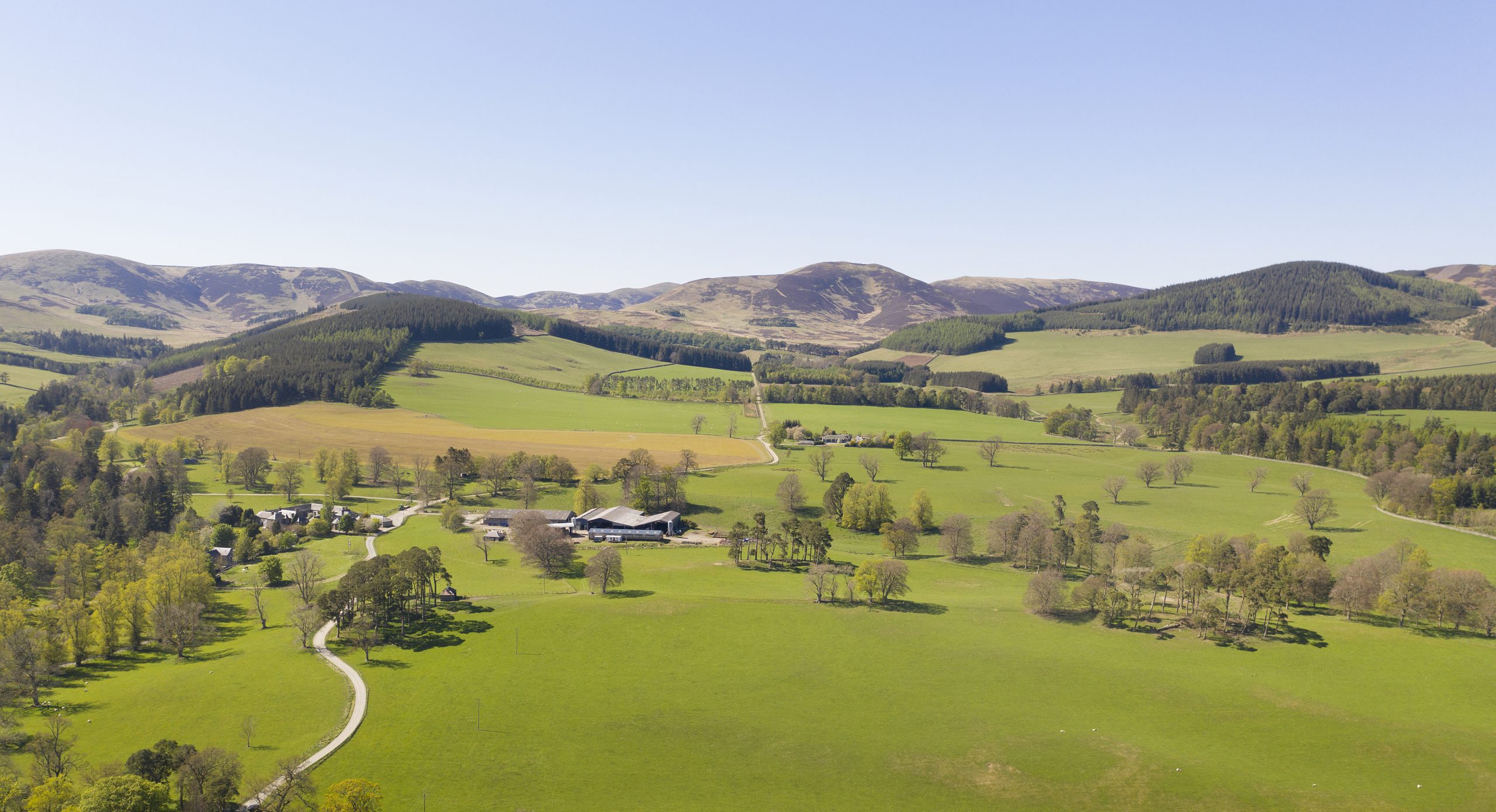
The country estate market is currently the softest we have seen since 2008/09. A combination of global economic caution and domestic fiscal policy has resulted in a highly selective buyer pool.
This market has effectively split into two tiers:
- Exceptional estates — defined by scale, location, sporting quality, amenity or strategic neighbour interest — continue to attract attention when priced correctly.
- Compromised or secondary estates face prolonged marketing periods unless guide prices fully reflect market reality.
Scarcity alone was insufficient to drive competition in 2025. However, more intuitive long-term buyers are increasingly recognising present conditions as cyclical rather than structural. For patient capital, these land-based assets, which combine heritage, natural capital, food production and residential value, are beginning to look comparatively attractive.
At RMC, we are noticeably more active in this sector than we were a year ago.
Many transactions are likely to occur off market in 2026, which isn’t unusual given the current market conditions. This will remain the case for Scotland as the law makers work through what one esteemed lawyer described as a “cluster bourach” of legislation, which is the Land Reform (Scotland) Act 2025. The consensus seems to be that months/years of secondary legislation lie ahead before it can be brought into law. While this creates understandable caution among domestic buyers, international purchasers, often accustomed to more stringent restrictions on land ownership, have not materially withdrawn from the market.
Looking forward into 2026: Long-term, tangible land assets capable of delivering food, fibre, environmental gain and amenity appear attractively priced relative to historic benchmarks. The headwinds are cyclical. Well-capitalised buyers are beginning to position accordingly.
Agriculture
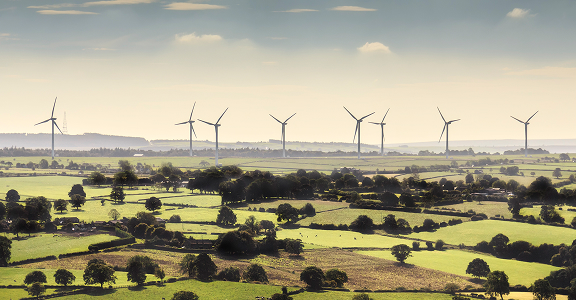
Agricultural land values across Scotland and the UK in 2025 seemed broadly steady albeit with significant regional variation.
Scottish prices ranged widely, with Class 1 and 2 prime arable in the east of the country achieving strong bids (up to £19,000/acre in extreme cases) and secondary ground receiving a softer reception, partly reflecting diminished demand from natural capital and woodland creation investors.
Supply in Scotland in 2025 remained relatively muted with approximately 28,000 acres of farmland available on the open market, a great deal less than historic averages of almost twice that amount. This constrained supply supported underlying pricing stability.
In England and Wales this trend was replicated, although a proportionally higher amount of arable land was sold (50% of all land sold and some 41,600 acres) the highest since 2015. Strutt and Parker reported average English arable values of £11,000/acre and pasture at £8,600/acre, although such averages mask considerable local variation. For example, the Cotswolds (the brash soils not noted for their ability to grow high yielding combinable crops) saw some moderate arable grades reach £18,000/acre thanks to well-heeled non farming interest. Savills outlook suggests 2026 could be a year of stabilisation, but that will depend on commodity prices, interest rate changes, agricultural support regime change and of course, the weather.
Looking forward: Farmland continues to represent a core real asset with defensive characteristics. Over the medium term, climate change may alter historic perceptions of prime arable geography, potentially softening values in parts of eastern England while enhancing reliability and productivity in more northerly regions.
Forestry & Natural Capital
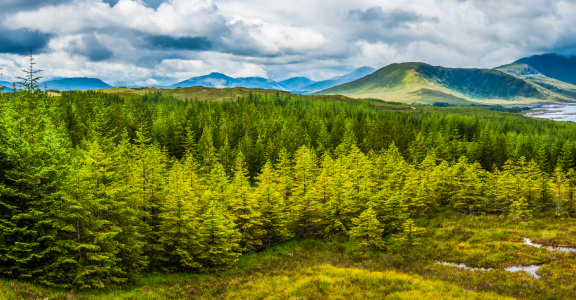
The forestry and natural capital land segments have experienced significant structural shifts. The exceptionally strong investor demand of the early 2020’s driven by timber production, carbon markets and net-zero allocation has cooled amid higher interest rates and geo-political recalibration.
Buyer scrutiny has intensified, and some underwriting assumptions are now more rigorous. An extreme case in point being Far Ralia (a 3,633ac native woodland creation scheme) within the Cairngorms National Park which has recently seen its guide price reduced significantly.
Nevertheless, the Goldcrest and Tilhill UK Forest Market Report 2025, amongst other reports, highlighted long-term interest in integrated land use models combining timber, carbon sequestration, biodiversity enhancement, and agricultural production.
Institutional forestry funds claim to have capital available, but supply of quality forests has been constrained and deployment slower than anticipated. In Scotland delays in woodland creation approvals and regulatory complexity have created caution in the planting market. Investors rightly seek clarity and consistency in policy frameworks before committing capital at scale.
Looking forward: the natural capital market is maturing; carbon and biodiversity credit instruments are gaining structural credibility, but pricing and liquidity remain uneven and policy sensitive.
Overall Outlook
As of early 2026, the prime UK and Scottish property markets present a segmented picture. Mainstream residential indices show modest recovery; country estates remain selective and price sensitive; agricultural land is broadly stable with regional divergence; and forestry and natural capital are repositioning for long-term strategic allocation rather than rapid yield harvesting. For well-informed buyers with medium to long term horizons, opportunities are emerging. Cyclical weakness rarely endures indefinitely and, in several segments, value is beginning to re-assert itself.


